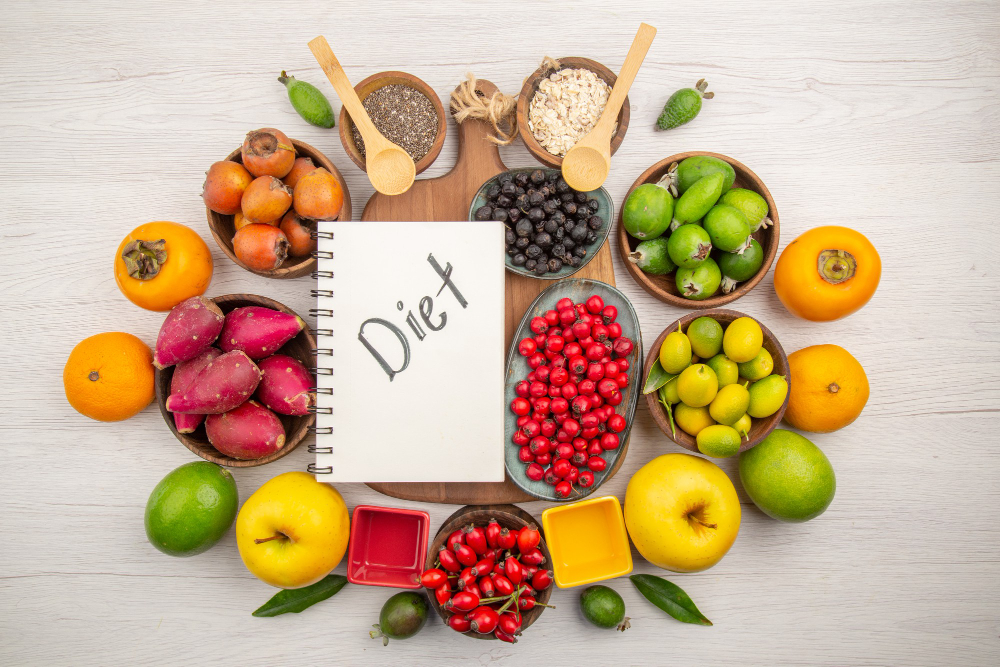
Many people wonder how diet in preventing gastrointestinal disorders works. A healthy eating plan for gut health can make a big difference. In fact, choosing the right foods to prevent digestive problems is one of the best gastrointestinal health tips. With a few changes, you can help your gut stay strong and avoid common issues.
What Are Gastrointestinal Disorders?
Gastrointestinal disorders are problems that affect your digestive system. This system includes your stomach, intestines, and other organs that help break down food. For example, common issues are heartburn, constipation, diarrhea, and irritable bowel syndrome (IBS). These problems can cause pain, bloating, or changes in how often you use the bathroom. Although some disorders are mild, others can be serious and need medical care.
How Diet Affects Digestive Health
What you eat plays a big role in your gut health. For instance, some foods help your body digest food easily. Others can upset your stomach or slow down digestion. Because your gut needs the right balance of nutrients, eating well can help prevent many digestive problems. According to the World Health Organization (WHO), a balanced diet supports a healthy gut and lowers the risk of disease.
Key Dietary Habits to Prevent Gastrointestinal Disorders
Simple changes in your eating habits can protect your digestive system. Here are some important tips:
Foods to Include and Avoid
Choosing the right foods can help prevent digestive problems. Here are some foods to include and some to avoid:
Foods to Include
Foods to Avoid
Lifestyle Tips for a Healthy Gut
Besides diet, your daily habits matter too. Here are some lifestyle tips for better gut health:
Because these habits support your gut, they can help prevent many common digestive issues.
When to Seek Medical Advice
Sometimes, digestive problems need a doctor’s help. For example, you should seek medical advice if you have:
Although many gut problems are mild, do not ignore serious symptoms. Early care can prevent bigger health issues.
In Summary: The Role of Diet in Preventing Gastrointestinal Disorders
A healthy diet and good habits play a vital role in preventing gastrointestinal disorders, helping maintain proper digestion and gut health. However, if you experience ongoing symptoms, it’s important to consult a healthcare specialist at Mimas World Hospital for personalized dietary advice and a tailored treatment plan.