Understanding Food Allergies and Intolerances
Many people wonder about the difference between food allergies and intolerances. Managing food allergies is important because reactions can be serious. A food allergy happens when your immune system reacts to a certain food. Even a small amount can cause symptoms. In contrast, a food intolerance means your body has trouble digesting a food. Usually, it is less dangerous, but it can still make you feel unwell.
For example, someone with a milk allergy must avoid all dairy. However, a person with lactose intolerance may be able to have small amounts. Knowing the difference helps you choose the right steps for your health.
Common Symptoms and Warning Signs
Food allergies and intolerances can cause different symptoms. However, it is important to watch for warning signs. Allergic reactions often happen quickly, sometimes within minutes. On the other hand, intolerance symptoms may take longer to appear.
If you notice trouble breathing or swelling, seek emergency help right away. These signs can mean a severe allergic reaction called anaphylaxis.
Causes and Risk Factors
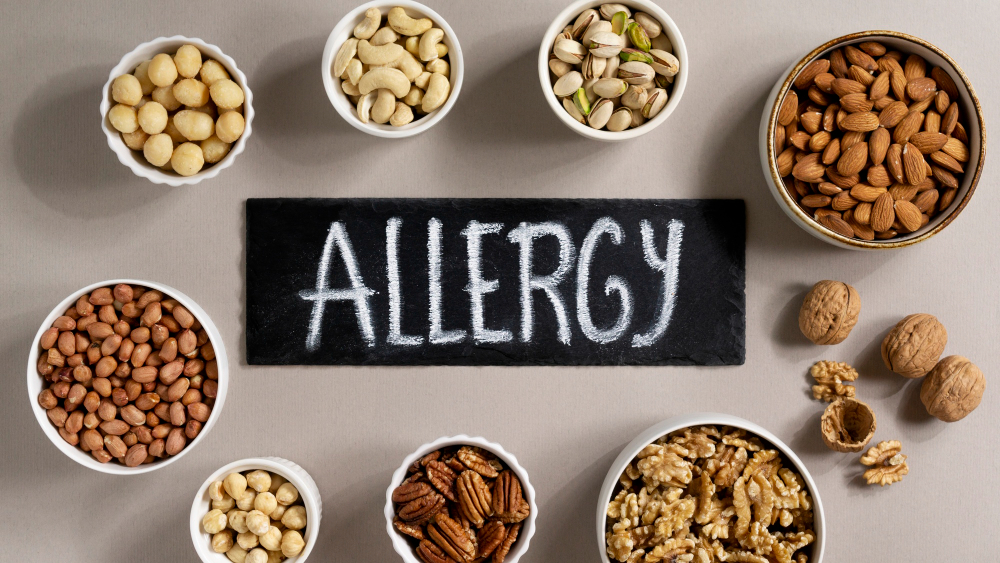
Food allergies and intolerances have different causes. Allergies happen when your immune system treats a food as harmful. Common allergy foods include peanuts, tree nuts, milk, eggs, fish, shellfish, wheat, and soy. Intolerances often happen when your body lacks certain enzymes. For example, lactose intolerance is due to low levels of lactase, an enzyme that breaks down milk sugar.
Several risk factors can increase your chances of developing food allergies or intolerances:
According to the CDC, food allergies are becoming more common, especially in children.
Diagnosis and Testing Methods
Proper diagnosis is key for managing food allergies and intolerances. Your doctor may ask about your symptoms and medical history. They may also suggest tests to find the cause.
For food intolerances, breath tests or other lab tests may help. Always talk to a healthcare provider before trying any tests at home.
Effective Management Strategies
Once you know your triggers, you can take steps to stay safe. Managing food allergies and intolerances involves several strategies. First, avoid foods that cause reactions. This may mean changing your diet or finding safe substitutes.
Reading food labels is very important. Look for hidden ingredients and allergy warnings. Many packaged foods list common allergens in bold or under a separate heading.
For severe allergies, always carry emergency medicine, such as an epinephrine auto-injector. Make sure family, friends, and teachers know how to help in an emergency.
According to the World Health Organization, education and awareness are key to preventing serious reactions.
Lifestyle Tips for Daily Living and Eating Out
Living with food allergies or intolerances can be challenging. However, you can still enjoy a full life with some planning. When eating out, tell the staff about your allergies. Ask how food is prepared and if cross-contact is possible.
Here are some helpful food intolerance tips and ideas for an allergy-safe diet:
At home, cook meals from scratch when possible. This way, you control what goes into your food. In addition, keep your kitchen clean to avoid mixing safe and unsafe foods.
Prevention and Reducing Risk of Reactions
While you cannot always prevent food allergies, you can reduce your risk of reactions. Always check food labels, even for products you have used before. Manufacturers can change ingredients at any time.
Teach children and caregivers about safe foods and what to do in case of a reaction. If you have a new symptom, talk to your doctor. Early action can help prevent serious problems.
According to the CDC, being prepared is the best way to avoid food allergy reactions.
Conclusion
Managing food allergies and intolerances takes effort, but with the right approach, it’s entirely possible. Start by learning your triggers, reading food labels carefully, and planning your meals ahead of time to avoid reactions.
For personalized advice and support in managing food allergies and intolerances, consult a healthcare specialist at Mimas World Hospital. We’re here to help you live a safe and healthy life.